 (Image via
Imagine walking into a physical store, asking a clerk where to find a specific brand of coffee, and having them point silently at a pile of lawnmowers. You wouldn't stick around to solve the mystery. You'd walk out.
In the digital world, this happens every second. We call it search friction. It's any technical barrier or mental hurdle that stops a customer from finding what they want. It might be a search bar that can't handle a simple typo or a filtering system that feels like a logic puzzle.
So what does this actually mean for your bottom line? It's expensive. In 2026, we know that visitors who use your search function convert at a rate 1.8 times higher than those who don't. Even though these high-intent shoppers only make up about 15% of your traffic, they often bring in nearly half of your total revenue.² When you let friction get in their way, you aren't just losing a click. You're losing your most valuable customers.
Optimizing Site Search: Moving Beyond Basic Keywords
The days of simple keyword matching are over. If your search engine only looks for exact strings of text, you're failing your users. Think of it like this: if someone types "sneekers" instead of "sneakers," your site should be smart enough to know what they mean.
Recent data shows that roughly 41% of e-commerce sites still fail to support the basic search queries shoppers use every day. That's a massive opportunity for you to step ahead of the competition.
- Natural Language Processing (NLP), Your search should understand intent, not just words. It needs to handle plurals, synonyms, and even complex phrases.
- Instant Autocomplete, You've seen this on Google. As you type, the site suggests products or categories. It saves the user from typing the whole word and guides them toward items you actually have in stock.
- The "No Results" Rescue, A "No Results" page is usually where a sale goes to die. Instead of a dead end, use this space to suggest popular items or related categories. Keep them in the funnel.
Speed is just as important as accuracy. If your search results take more than a second to load, the user's flow is broken. You'll want an optimized search engine that feels instantaneous, rather than one that chugs through a slow database.
Filtering and Faceting: Making Discovery Effortless
Have you ever searched for a t-shirt and been greeted with 5,000 results and no way to narrow them down? That's a recipe for choice paralysis. A good filtering system is like a helpful personal shopper who asks, "What size?" and "What color?"
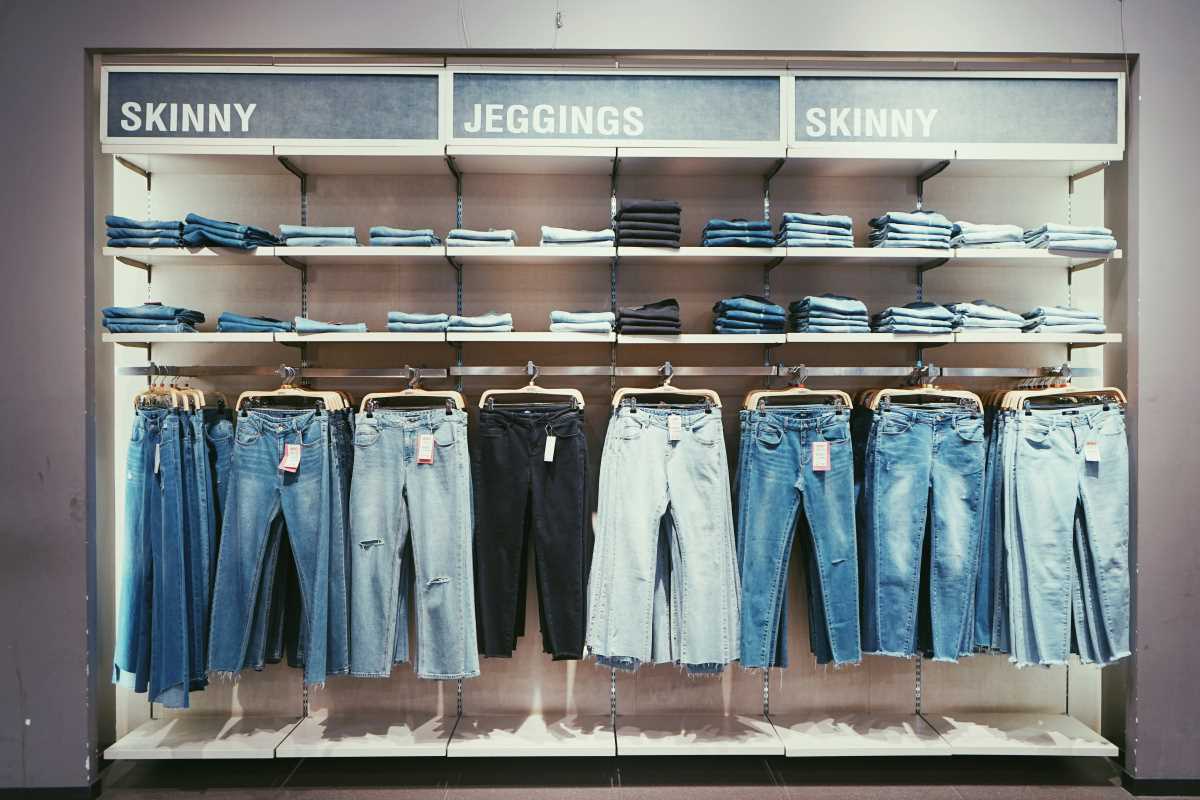
The key is dynamic filtering. If I'm looking for electronics, I want to filter by processor speed or battery life. If I'm looking for jeans, I want to filter by waist size and wash. Showing the same generic filters across every category is a major source of friction.
- Smart Defaults: Don't overwhelm people with 50 checkboxes right away. Show the most popular filters first and hide the rest behind a "More" button.
- Visual Consistency: Your filters should look and behave the same way across the entire site. This reduces the mental effort required to handle.
- SEO Benefits: This is the part most people miss. Effective faceted navigation creates specific, crawlable landing pages. This helps search engines find your niche products more easily, which brings in more organic traffic.
About 35% of shoppers recently reported that "too many choices" or "difficult filters" were their top challenges when buying online.⁹ If you can make the narrowing-down process feel like a breeze, you've already won half the battle.
Relevance and Ranking: Aligning Results with Intent
Not all searches are created equal. You need to distinguish between someone who is just "window shopping" and someone who is ready to pull out their credit card.
A user searching for "running tips" has informational intent. Someone searching for "Nike Air Zoom Pegasus size 10" has transactional intent. Your search results should reflect that. If your algorithm treats these the same, you're adding friction.
Personalization is the secret sauce here. In 2026, customers expect you to remember them. If a user has bought three pairs of size 12 shoes from you in the past, your search results should automatically prioritize size 12 options. This reduces the amount of scrolling they have to do, which directly boosts conversions.
You can also use merchandising rules to your advantage. If you have two similar products, but one has a higher margin or is overstocked, you can "boost" that item in the organic search results. It's a way to align your business goals with the user's search intent without making it feel like an intrusive ad.
Top Recommendations for Reducing Friction
Turning Search Into Your Secret Weapon
You can't fix what you don't measure. If you want to kill friction, you have to find where it's hiding. This requires looking at more than just your total sales.
- Search Exit Rate: This is the percentage of users who leave your site immediately after performing a search. If this number is high, your results aren't relevant.
- Zero Results Rate: This is the "silent scream" of your customers. If people are searching for "waterproof boots" and getting zero results, but you actually sell "rain boots," you have a synonym problem.
- Search Conversion Rate: Compare the conversion rate of people who use search versus those who don't. This helps you quantify exactly how much your search bar is worth.
Tools like heatmaps and session recordings are great for diagnosing these friction points. You might find that users are clicking on a filter that doesn't work, or they're missing the search bar because it's hidden in a hamburger menu.
Reducing friction isn't a "one and done" project. It's an ongoing process of watching how people use your site and smoothing out the bumps. Around 80% of shoppers will leave and buy elsewhere after just one unsuccessful search experience. That's a high-stakes game, but for the brands that get it right, the rewards are massive.